Commercial property owners are constantly looking for roofing systems that improve energy efficiency, reduce long-term maintenance costs, and provide strong protection against leaks and weather damage. One roofing solution that has become increasingly popular for flat and low-slope commercial roofs is spray polyurethane foam roofing, commonly known as SPF roofing.
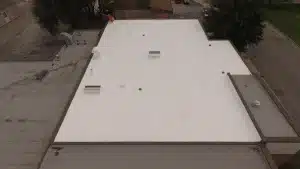
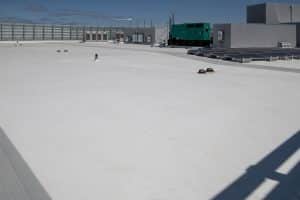
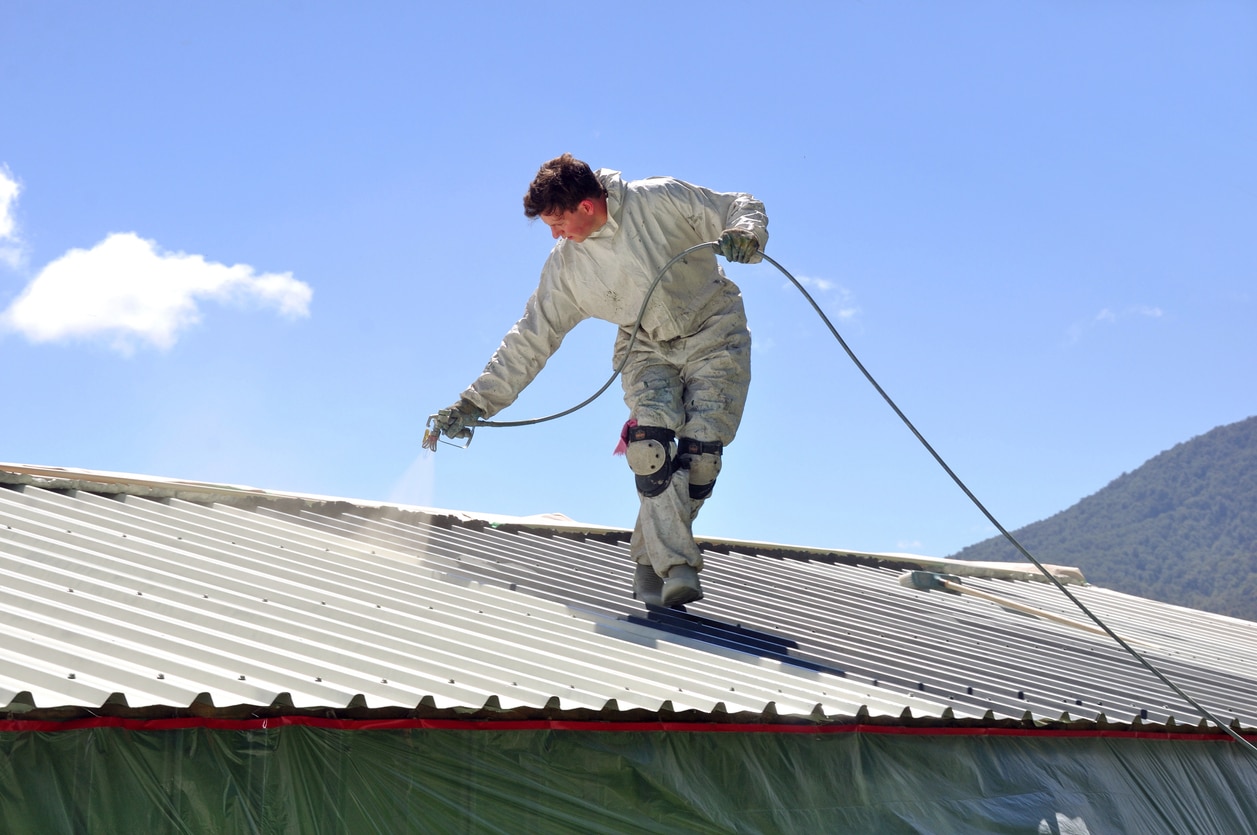
SPF roofing is a sprayed-on roofing and insulation system that creates a seamless protective barrier across the roof surface. Unlike many traditional roofing systems that rely on seams and mechanical fasteners, spray polyurethane foam expands into a continuous layer designed to improve insulation, strengthen waterproofing, and protect the building from moisture intrusion.
Washington Roofing & Insulation Inc. specializes in spray polyurethane foam roofing systems throughout the Midwest, helping commercial property owners improve roof performance, increase energy efficiency, and extend roof lifespan with long-lasting roofing solutions backed by warranties of up to 20 years.
TL;DR: What Is Spray Polyurethane Foam Roofing?
- SPF roofing is a sprayed-on roofing and insulation system
- Spray foam creates a seamless waterproof barrier across the roof surface
- SPF roofing helps improve energy efficiency and insulation performance
- The system works well on flat and low-slope commercial roofs
- Proper maintenance can help extend SPF roof lifespan for many years
How Does Spray Polyurethane Foam Roofing Work?
Because the foam expands and conforms to the existing roof structure, SPF roofing creates a continuous seamless surface across the building. This helps eliminate many of the common weak points found in traditional roofing systems where leaks often develop.
The system can be installed over many existing roofing surfaces depending on the condition of the current roof, which may help reduce tear-off costs and minimize disruption to building operations.
Why Is SPF Roofing Popular for Commercial Buildings?
SPF roofing is commonly used on:
- flat roofs
- sloped roofs
- metal buildings
- tanks and steel structures
- domes and geometric structures
How Does SPF Roofing Improve Energy Efficiency?
SPF roofing helps reduce heat transfer into and out of the building, which may lower heating and cooling demands over time. Reflective elastomeric coatings also help minimize rooftop heat absorption by reflecting sunlight away from the building.
Many commercial property owners choose SPF roofing because it may help:
- lower energy costs
- improve indoor comfort
- reduce HVAC strain
- improve overall building efficiency
Can SPF Roofing Help Extend Roof Lifespan?
Because SPF roofing systems can often be recoated instead of completely replaced, many property owners are able to extend roof lifespan significantly without the expense of repeated tear-offs and full roof replacement projects.
Preventative maintenance and early repairs play a major role in maximizing long-term roof performance.
How Does SPF Roofing Perform During Severe Weather?
Washington Roofing & Insulation Inc. also provides expertise in hail damage and weather-related roof repairs, helping commercial property owners assess roof conditions and identify storm-related roofing concerns before larger structural problems develop.
Professional inspections may include infrared services, drone photography, roof consultations, and specification writing to help building owners better understand the condition of their roofing systems.
Why Does Professional SPF Roofing Installation Matter?
Spray polyurethane foam roofing requires proper installation techniques, surface preparation, coating application, and long-term maintenance planning in order to perform correctly. Improper installation may lead to moisture problems, uneven foam application, or reduced roof lifespan.
Professional roofing evaluations help determine whether a building is a strong candidate for SPF roofing based on roof condition, drainage performance, insulation needs, and long-term building goals.
Washington Roofing & Insulation Inc. provides commercial spray polyurethane foam roofing, elastomeric coatings, roof restoration, infrared inspections, roof consultations, and energy-efficient roofing solutions throughout the Midwest. Contact us today to get started.
SPF Roofing FAQs
SPF roofing is a sprayed-on roofing and insulation system that creates a seamless waterproof and insulated surface across commercial roofs. The foam expands after application to form a continuous protective layer that conforms to the shape of the roof. This seamless design helps reduce common leak points found in many traditional roofing systems.
SPF roofing works on many commercial structures including flat roofs, sloped roofs, metal buildings, tanks, domes, and geometric roof designs. Its versatility allows it to adapt to complex roof shapes and various commercial applications. Many property owners choose SPF roofing because it can often be customized to different building types and roofing conditions.
The foam layer adds insulation value directly to the roof while reflective coatings help reduce rooftop heat absorption. Improved insulation may help stabilize indoor temperatures and reduce HVAC strain during extreme weather conditions. Many commercial property owners use SPF roofing systems to help improve long-term energy performance and reduce operating costs.
Yes. The seamless design helps eliminate many of the weak points where traditional roof leaks commonly develop. Because there are fewer seams, joints, and exposed fasteners, there are fewer opportunities for water intrusion over time. Properly maintained SPF roofing systems may also help protect against moisture penetration during severe weather.
With proper maintenance and recoating, SPF roofing systems can provide long-term roof protection for many years. Regular inspections and maintenance help preserve the protective coating and overall system performance. Ongoing maintenance is important for maximizing durability and extending the lifespan of the roof.
In many situations, yes. SPF roofing can often be installed over existing roofing systems depending on roof condition. Roof inspections help determine whether the existing structure is suitable for overlay installation or if repairs are needed beforehand. Installing SPF over an existing roof may also help reduce tear-off costs and minimize construction disruption.